
Protect Our Wildlife

We all play a role in ensuring that the plants and animals on Wadjemup / Rottnest Island are protected.
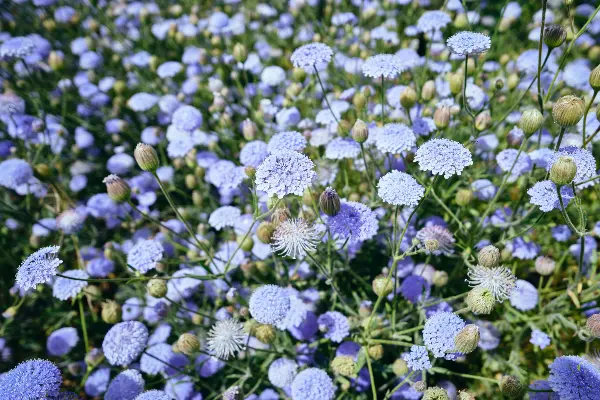
Wadjemup Daisies
Wadjemup Daisies

Protect Our Local Wildlife

Respect the flora and fauna

Rottnest Island is a Class A Reserve, meaning that all the plants and animals are protected.  

When you experience the island by footbike or bus there are ways you can respect the land and its unique natural environment. Please don’t touch or feed the wildlife, leave the island’s flora where you found it, and contact the rangers prior to arrival should you need to bring a guide, assistance, or companion animal for medical reasons. 

Do not feed the wildlife

It is important to let all animals on the island forage for their own food and water. Feeding wildlife can cause illness and lead to aggressive behaviour, and it’s important they don’t learn to rely on humans. 

Do not touch the wildlife

For their safety and yours, don’t touch any of the animals on the island. While quokkas are certainly curious, touching and petting them is not permitted. Touching quokkas (or any animal) can make them sick, spread disease, and even cause mothers to abandon their young if they carry an unfamiliar scent. 

If you accidentally come into contact with an animal, wash the area of contact with soap and water as soon as possible to minimise the risk of infection.

Dispose of your rubbish

Putting your rubbish and food scraps in the bin is important to keep the island beautiful and the wildlife safe. Island animals can become aggressive or sick from eating human food or ingesting plastics and other harmful materials.

Ride your bikes with care

To avoid accidents with quokkas, and other wildlife such as lizards, please take care while riding and keep your eyes on the road. Stick to the paths and roads to protect the native flora and fauna. If you see a sick or injured animal or animals being mistreated, please report it immediately to the Rottnest Island rangers on (+61 8) 9372 9788.

Protecting birdlife

Australia remains the only continent free from the highly contagious strain of H5 high pathogenicity avian influenza (bird flu), while the virus continues to spread globally, affecting more than 560 bird species and over 100 mammalian species. Australia is closely monitoring these outbreaks and carrying out strong surveillance, testing and preparedness measures to ensure any suspected cases are detected early and responded to quickly.

Wadjemup / Rottnest Island is a critical location for this monitoring, due to the combined factors of:

  • Migratory birds;
  • Diverse bird populations; and,
  • Capacity for active surveillance.

How you can help

Bird flu is a notifiable animal disease which means if you suspect it, you must report it even if you’re unsure.  

Following these actions can protect birdlife and prevent the spread of the disease:

Avoid sick and dead birds;

Record by taking photos and recording the location; and,

Report signs of sick or dead birds to the Emergency Animal Disease Hotline on 1800 675 888.

Learn more about how you can assist with surveillance at wa.gov.au.
 

A note from Rottnest Island Authority

Remember, anyone who deliberately interferes with (including feeding) wildlife on Rottnest Island will be fined on the spot under the Rottnest Island Regulations 1988 and potentially prosecuted under the Biodiversity Conservation Act 2016 and the Biodiversity Conservation Regulations 2018 with fines up to $10,000. Acts of animal cruelty may result in fines up to $300,000 and 5 years imprisonment under the Animal Welfare Act 2002. 

Become a quokka conservation hero

You can show your support for Rottnest Island’s famous furry inhabitants by purchasing one of Rottnest Foundation’s adoption kits that fund conservation initiatives on the island.​

Your kit comes with a cuddly, life-sized soft quokka toy, tote bag, quokka fact sheet and an official adoption certificate. 
Learn more about the Adopt-a-Quokka Kits
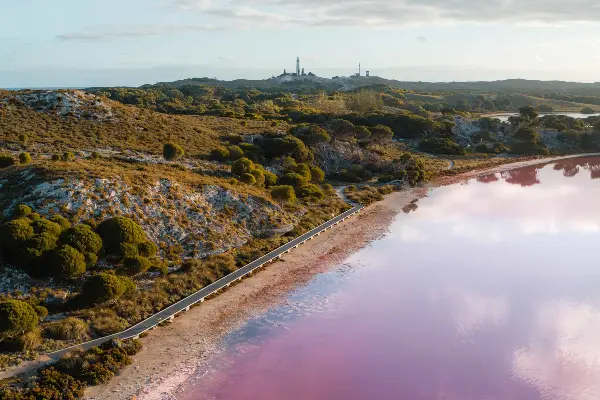
Salt lakes
Salt lakes