
Seals & Sea Lions

Spot seals and sea lions in the wild

Catching a glimpse of a long-nosed fur seal (manyin in Noongar) or the rare Australian sea lion (manyini in Noongar) at Wadjemup / Rottnest Island is one of Western Australia’s most exciting wildlife encounters. You’ll find these charismatic marine mammals basking on sun-warmed rocks or gliding effortlessly through the water around the island year-round.

Whether you’re exploring on foot, by bike or as part of a guided experience, spotting these marine mammals adds another layer to the island’s coastal story. It’s a chance to slow down, look out across the water, and feel more deeply connected to the wild rhythms of Wadjemup.


KEEN-EYED EXPLORERS MIGHT SEE

Long-nosed fur seals

Australian sea lions

Whales

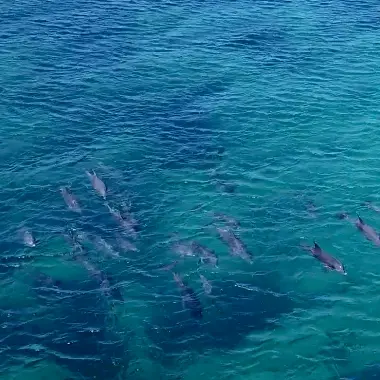
Dolphins

Where to See Seals and Sea Lions on Rottnest Island

Although seals and sea lions can be seen around the island at any time of year, West End offers the best chance for reliable sightings.

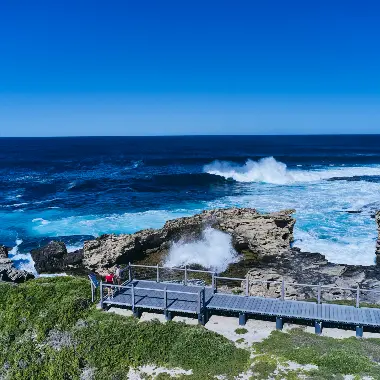
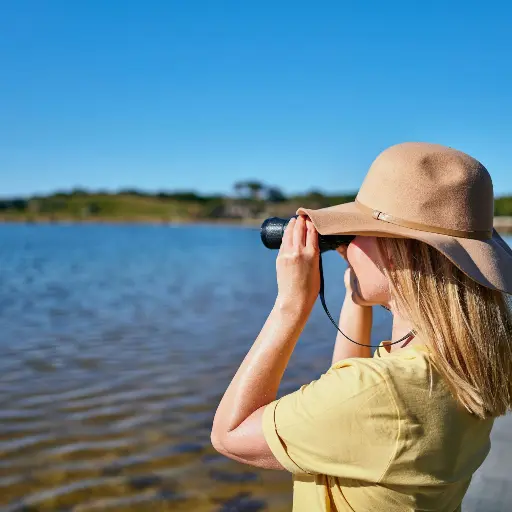
The Cathedral Rocks viewing platform provides the most dependable vantage point, allowing you to watch them safely from above. Look for them floating in the sheltered waters below or resting on the offshore rocks. Binoculars are available to help you get an even closer view. 

This area forms part of the West End Demersal Sanctuary Zone. As a protected haven rich in tropical fish and marine life, it’s an important feeding and resting site for both seals and sea lions. 

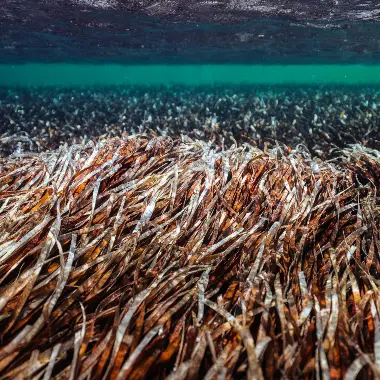
Nearby Green Island, within the Green Island Sanctuary Zone, is another key habitat for Australian sea lions. Its undisturbed seagrass meadows attract small fish species, providing essential feeding grounds for marine mammals. You’ll often see young male sea lions lounging around the island’s rocky shoreline here.


Keep Your Distance
If you spot a seal or sea lion, ensure you keep your distance and do not approach them on land and in the water. If you see a marine animal in distress, contact the rangers on (+61 8) 9372 9788.

Spot the Difference

While Australian sea lions and long-nosed fur seals both belong to the pinniped family, several key differences make them easy to tell apart, once you know what to look for.

Australian Sea Lions

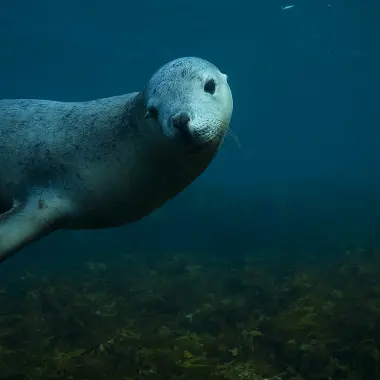
The Australian sea lion is Australia's only native seal species and can be found along the southern and western coastlines from Western Australia’s Abrolhos Islands to South Australia’s Kangaroo Island. They are considered one of the rarer seal species globally, and while no breeding colonies exist on Wadjemup, the individuals spotted around the island are typically young males using the area as a feeding and resting ground.

Spot them by their: 
  • Blunt snout and tightly rolled external ears 

  • Large body size, weighing up to 300 kg 

  • Large front flippers and tail flippers 

  • Males have chocolate brown to black fur with an off-white back of the head and neck 

  • Females have silvery-grey fur with yellowish-cream bellies 


Long-Nosed Fur Seals

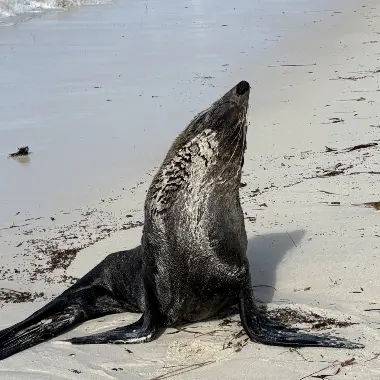
Rottnest Island is home to a resident colony of long-nosed fur seals. While they primarily breed in New Zealand, they also inhabit parts of Australia’s southern coastline, with Cathedral Rocks being one of the most dependable viewing spots on the island. 

These seals spend about half their lives on land, resting on rocky platforms and in protected bays. They gather in colonies, known as rookeries, and are especially active during their summer breeding season. 

Spot them by their: 
  • Pointed nose with visible ear flaps 

  • Smaller than sea lions, weighing up to around 180 kg 

  • Big eyes and long whiskers 

  • Dark brown fur made up of two layers

Eco Express

Eco Express Boat Tours with Rottnest Express

Operating September to April 

If you’re visiting between September and April, the Eco Express Adventure Boat Tour may offer the chance to spot seals and sea lions up close in their natural environment. As you cruise along the rugged coastline, keep an eye out for these playful mammals resting on rocky outcrops or gliding through the water as the boat slows for a clearer view.  
Find out more
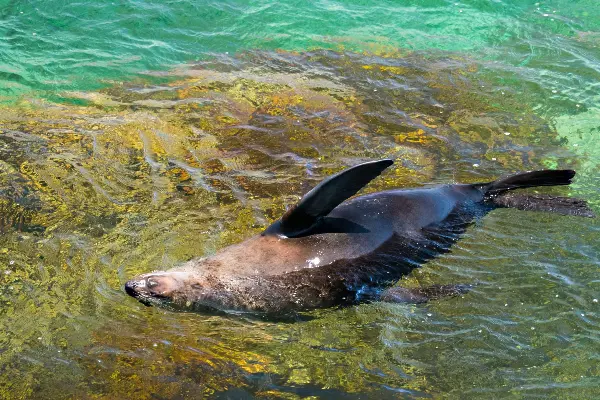
Australian fur seal swimming in the waters of Wadjemup / Rottnest Island
Fur seal swimming in the waters of Wadjemup

Learn the Noongar Names

Maamoong
Whale

Maambakoort
Ocean

Marawar
West End

Maambakoort djooraly
Seagrass meadow

Frequently asked questions

The Cathedral Rocks viewing platform at West End is the most reliable spot to see long-nosed fur seals and Australian sea lions on the island. From here, you can often watch them swimming below or resting on the nearby rocky outcrops.

While there are no tours dedicated specifically to seal or sea lion viewing, you may spot them on the Eco Express Adventure Boat Tour, which travels to West End where they often gather. They can also be seen during a number of hiking, e-bike, and bus tours that pass through West End.

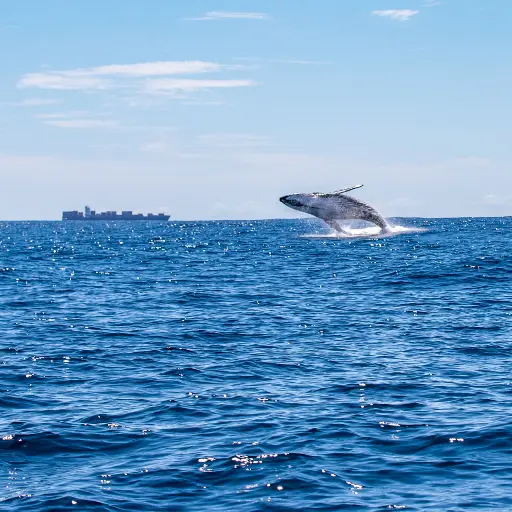
You can expect to see quokkas, birdlife, and marine life like tropical fish and bottlenose dolphins throughout the year. Warmer months increase sightings of reptiles, then during winter, various frog species repopulate around the wetlands. From August until December, you may even spot whales migrating around the island.

Swimming with the long-nosed fur seals at Cathedral Rocks is not permitted. Visitors may use the purpose-built viewing platform at Cathedral Rocks to see wildlife from a safe distance.